
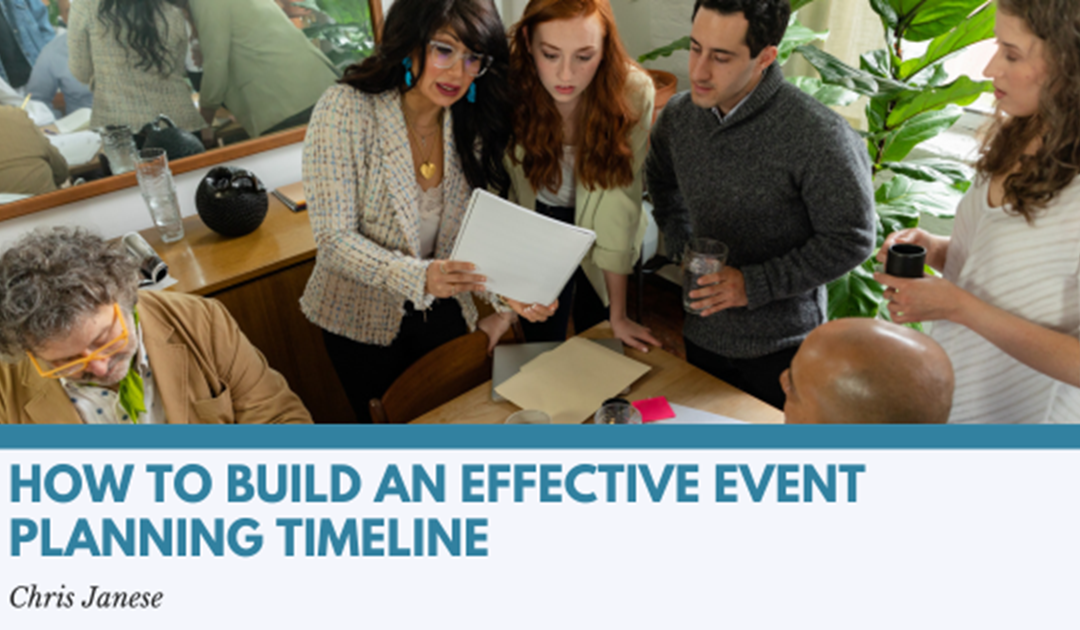
An effective timeline is the backbone of successful event planning. Without it, even the most creative event ideas can fall apart under pressure. Whether you’re organizing a small private party or a large corporate gathering, a well-structured timeline ensures that every detail is addressed on time and nothing is left to chance. It helps maintain order, minimizes last-minute chaos, and keeps the entire planning process on track.
The first step in building a timeline is establishing your event date and working backward. Start by identifying how much time you have to plan and the complexity of your event. If you have six months to plan a wedding or two weeks to organize a birthday party, your timeline will look very different. No matter the duration, break your planning into phases: initial planning, pre-event logistics, day-of coordination, and post-event wrap-up.
During the initial planning phase, focus on defining the event’s purpose, setting goals, and determining the budget. These core decisions will shape everything that follows. At this point, you should also begin researching venues, locking in the date, and confirming major vendors like caterers, entertainment, and photographers. These are foundational steps that need to happen early to secure availability and avoid conflicts later.
As you enter the pre-event logistics phase, your timeline should include details like sending invitations, finalizing menus, confirming vendors, arranging rentals, and coordinating transportation. Assign deadlines for each of these tasks and track progress regularly. If you’re working with a team, assign responsibilities clearly and hold regular check-ins to ensure everyone is on the same page.
Creating a visual timeline, such as a Gantt chart or spreadsheet, can help you visualize deadlines and dependencies. For example, you may need to finalize guest count before confirming seating arrangements or print programs only after finalizing the agenda. A visual reference keeps you organized and prevents critical steps from slipping through the cracks.
In the weeks leading up to the event, start focusing on the smaller yet essential details. Create a checklist for supplies, confirm arrival times with vendors, prepare signage, and finalize décor. It’s also wise to prepare a day-of schedule that outlines when setup begins, when vendors arrive, what time guests are expected, and how the event will unfold. This schedule should be shared with everyone involved so that all parts of the event run smoothly.
The day of the event requires its own mini-timeline. This should be extremely detailed, covering every hour (or even every 15 minutes) depending on the complexity of the event. Include setup times, sound checks, guest arrival, speeches or performances, meal service, and teardown. A dedicated point person or event coordinator should oversee this timeline to ensure it is followed.
After the event, your timeline should include follow-up tasks such as sending thank-you notes, collecting feedback, paying vendors, and reviewing the event’s success. Reflecting on what went well and what could be improved is key for learning and growth, especially if you plan to organize future events.
Flexibility is important when working with timelines. Even the most detailed plans can face unexpected changes, from delayed shipments to weather disruptions. Build in buffer time for key tasks to absorb any surprises without derailing the entire event. Always have a backup plan and maintain open communication with your team and vendors.
An effective timeline is more than just a schedule—it’s a strategic tool that supports every aspect of event planning. With structure, foresight, and adaptability, your event timeline becomes a reliable roadmap that leads to a seamless and successful celebration.