
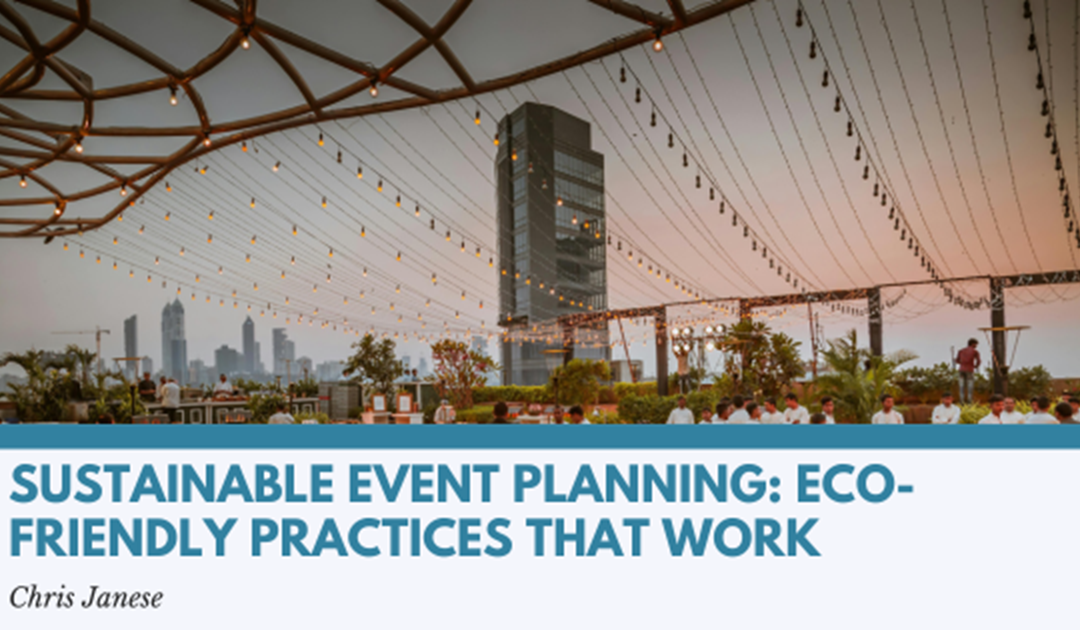
Event planning has seen a major shift in recent years as more hosts and planners prioritize sustainability. From weddings to corporate functions to private parties, today’s events are increasingly expected to reflect environmentally conscious values. Embracing eco-friendly practices not only helps reduce the carbon footprint of your event but also enhances your brand or personal commitment to responsible living.
The foundation of sustainable event planning begins with choosing an environmentally conscious venue. Look for spaces that implement green practices such as energy-efficient lighting, water conservation systems, recycling programs, or LEED certification. Outdoor venues naturally reduce the need for artificial lighting and cooling, offering a great alternative for events during pleasant seasons.
Paper waste is one of the easiest areas to address. Go digital with invitations, programs, signage, and RSVPs. Modern design tools and platforms allow for beautifully crafted digital materials that can be easily shared via email or social media. If you must print, use recycled paper and soy-based inks, and limit distribution to what’s absolutely necessary.
Catering choices have a big environmental impact. Partner with caterers who source their ingredients locally, use seasonal produce, and minimize food waste. Serving plant-based or vegetarian meals can significantly reduce the event’s carbon footprint. Provide accurate guest counts to avoid excess food, and consider donating leftovers to local shelters or food banks.
Single-use plastics are a major contributor to event waste. Replace disposable plates, cups, and cutlery with compostable or reusable alternatives. Bamboo, palm-leaf, or recycled paper products are all excellent options. For smaller gatherings, using washable tableware is not only sustainable but adds an elegant touch. Encourage guests to bring their own water bottles or provide a water refill station instead of selling bottled water.
Decor often goes unnoticed in sustainability planning, yet it’s an area ripe with opportunities. Avoid balloons, glitter, and synthetic confetti, which are harmful to the environment. Choose reusable decorations such as fabric banners, LED lights, or live plants that can be reused or gifted after the event. Rent decor items where possible or shop secondhand for unique, budget-friendly options.
Waste management is critical. Set up clearly labeled bins for recycling, compost, and landfill. Educate guests and staff beforehand about proper disposal practices. Work with a waste management provider that supports sorting and proper disposal to ensure your efforts don’t go to waste.
Transportation is another key consideration. Encourage carpooling, public transport, or offer incentives for guests who bike or walk to the venue. For large events, shuttle services reduce emissions compared to individual vehicles. If your event includes remote guests, consider hybrid or virtual options to minimize travel-related emissions.
Event swag is often an overlooked source of waste. Instead of giving away trinkets that end up in landfills, consider digital gifts, donations to charities on behalf of guests, or practical items like reusable totes, plantable seed paper, or sustainable beauty products. If you do offer physical gifts, make sure they are ethically sourced and truly useful.
Finally, educate and inspire your guests. Share your sustainability goals in your communications and at the event itself. When guests see your commitment, they’re more likely to carry that inspiration into their own lives.
By thoughtfully incorporating these eco-friendly practices, you can host an event that aligns with your values, delights your guests, and contributes positively to the planet. Sustainable event planning isn’t just a trend—it’s a responsible and meaningful way to celebrate and connect.